Compact 2-inch and 4-inch direct thermal and thermal transfer printers for the counter, ward and stockroom — fast, reliable label output with plug-and-play emulation, remote management and future-proof Wi-Fi, RFID and wristband options.

Affordable, durable direct thermal printing up to 6 ips with a large 60-watt supply.
Read More →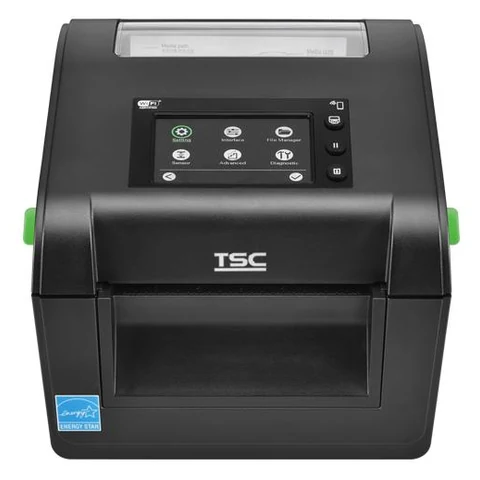
Versatile, future-proof 4-inch direct thermal with auto-switch emulation and addable options.
Read More →
A competitive, easy-to-use entry-level 4-inch thermal transfer printer with a modular mechanism.
Read More →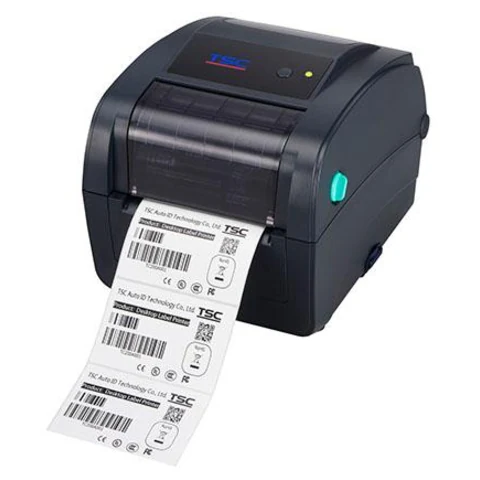
A small-footprint price-to-performance leader printing labels, tags or receipts at up to 6 ips.
Read More →
A versatile, high-precision 4-inch printer with management tools and optional UHF RFID.
Read More →
High-performance 203/300/600 dpi printing up to 8 ips in a rugged double-wall clamshell.
Read More →
A compact, future-proof 2-inch direct thermal printer for labels, receipts, wristbands and HF RFID.
Read More →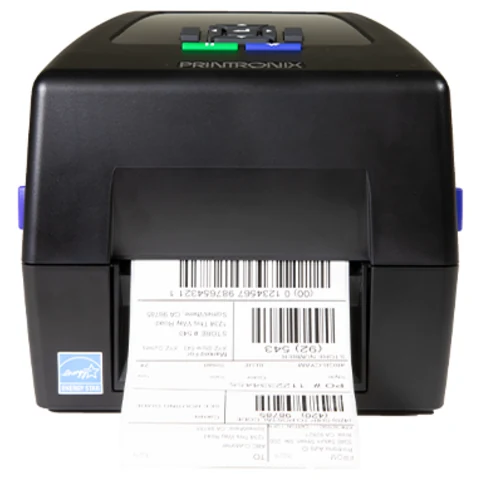
Enterprise-level productivity built on Printronix System Architecture, with Wi-Fi and 8 ips speed.
Read More →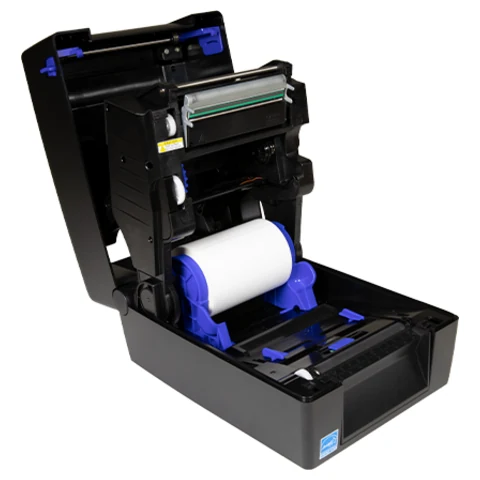
Affordable enterprise-class desktop printing with optional UHF RFID encoding and calibration.
Read More →
A versatile 2-inch thermal transfer printer with high-precision damper and future-proof options.
Read More →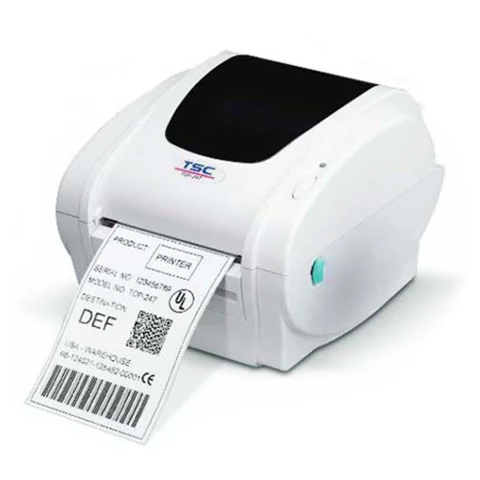
Best-in-class speed and high-resolution direct thermal in a rugged, compact clamshell.
Read More →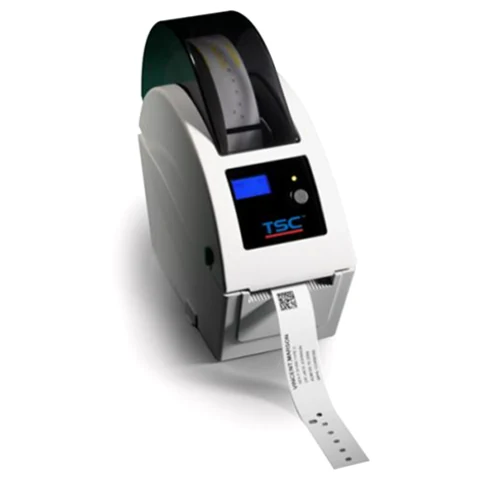
Compact 2-inch direct thermal with dedicated wristband models for patient ID and ticketing.
Read More →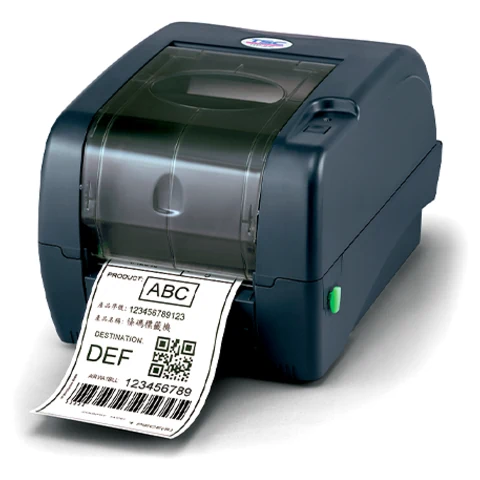
A new standard for value — 4-inch thermal transfer up to 7 ips with SD expansion.
Read More →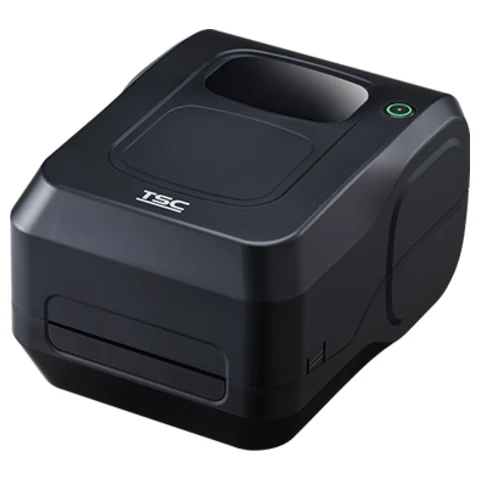
Optimal-performance daily printing with a media-window design; TL thermal transfer, DL direct thermal.
Read More →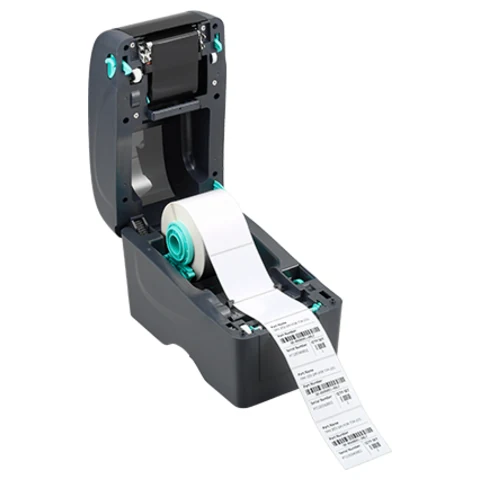
Compact, affordable 2-inch printing for retail, medical and office in a 5-inch clamshell.
Read More →A battery station for TSC TH/DH-series desktop printers lets them print on the spot, free from power cords.
Choosing the right RFID for healthcare labelling — how accurate identification prevents misidentification.
How AIDC innovation and reliable labelling close the gap in legacy healthcare systems.
